
You Can Quit Smoking: Here's How
Quitting smoking, vaping or chewing tobacco is one of the most important steps you can take to improve your health. This is true no matter how old you are or how long you have used tobacco.
Many people who use smoke, vape, or chew tobacco become addicted to nicotine, a drug that is found naturally in tobacco. This can make it hard to quit using tobacco. But the good news is there are proven treatments that can help you quit.
Making a solid plan will help you feel more confident and ready to quit. Scroll down to learn more about the 3 steps of planning your quit.
Step 1: Identify Your Triggers
Triggers are things that make you want to smoke, vape, chew tobacco, like stress and hanging out with people who use tobacco. Think ahead to your first week of quitting. What are your triggers?
Not sure about your triggers? Record when and why you smoke, vape, or chew tobacco throughout the week to learn more about what makes you want to use tobacco.
Step 2: Choose Strategies
Strategies are things you can do instead of smoking, vaping, chewing or using other tobacco products. Think about your triggers. What does smoking, vaping or chewing tobacco do for you? Gets rid of stress? Helps with boredom? Now, think of something that is enjoyable and healthy that you can do instead.
Here are strategies that have worked for others:
- Watch a movie in a different chair.
- Hang out with friends who don’t use tobacco.
- Sleep in for 10 extra minutes.
- Go where no one can smoke or vape.
- Switch the order of your morning routine.
- Read the news in a different room.
- Change the flavor of your coffee.
- Make a rule: no smoking or vaping indoors.
- Drink water.
- Brush your teeth.
- Chew gum.
- Wash your hands.
- Cut fruits & veggies.
- Draw or doodle.
- Eat pumpkin or sunflower seeds.
- Download a new app.
- Peel and eat an orange.
- Chew on a flavored toothpick.
- Learn something new.
- Exercise and get outside.
- Wash the car.
- Water the plants.
- Go online.
- Play music.
- Read with the kids.
- Call or text a friend.
- Take a shower or bath.
- Walk with a friend.
- Watch a video.
- Remind yourself that the craving will pass.
- Do deep breathing.
- Talk to someone about how you’re feeling.
- Read over your quit plan.
- Review your reasons to quit.
- Tell yourself: “I won’t let smoking, vaping, or chewing control me. Using tobacco is not an option.”
- Remind yourself of your reason to quit.
- Quitting can reverse the damage that smoking, vaping, or chewing tobacco has had on your health and reduce your chance of dying from smoking-related disease.
- You will experience immediate health benefits when you stop smoking, vaping, or chewing tobacco.
- It only takes 20 minutes to start reversing the negative effects of smoking.
- It’s never too late to quit and start improving your health.
Worried about withdrawals?
If you quit cold turkey, nicotine is typically out of the body in 3 days. Withdrawals may be strong at first, but will weaken over time. Symptoms may last 2–4 weeks. If you are worried about withdrawals, consider using a quit aid.
When you quit, you may have withdrawal symptoms that affect your mind and body.

Mind
- Cravings
- Irritability
- Anxiety
- Low mood
- Depression
- Hard to concentrate

Body
- Headache
- Tiredness
- Low energy
- Hunger
- Cough
- Dizziness
- Trouble sleeping
- Feeling Restless
- Feeling Irritable
Quit Aids
Quit aids are tools that make it easier to quit smoking. The FDA has approved seven types: nicotine replacement therapy (NRT) & non-nicotine pills. Using quit aids triples your chances of successfully quitting.
NRT Products

Patches
- Worn on the skin like a Band-Aid ®
- Gives nicotine via skin
- Can get over-the-counter

Gum
- Chewed and “parked” between the cheeks and gum
- Gives nicotine via mouth
- Can get over-the-counter
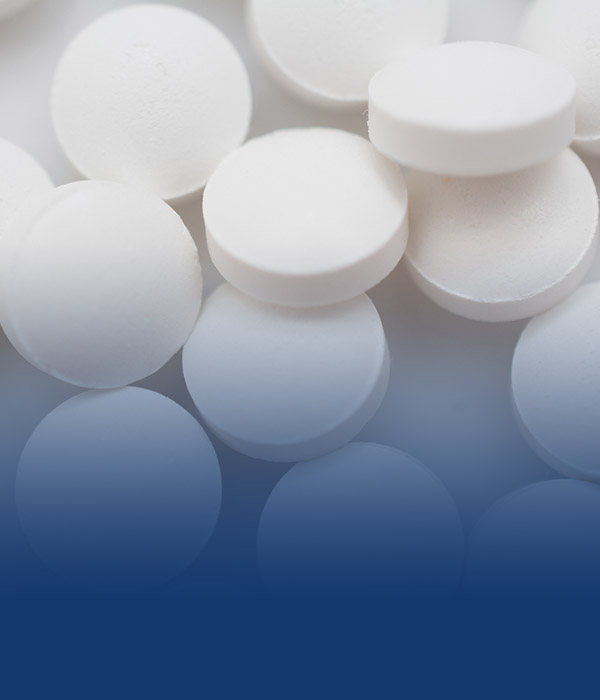
Lozenge
- Looks like hard candy.
- Dissolves in mouth
- Gives nicotine via mouth
- Can get over-the-counter
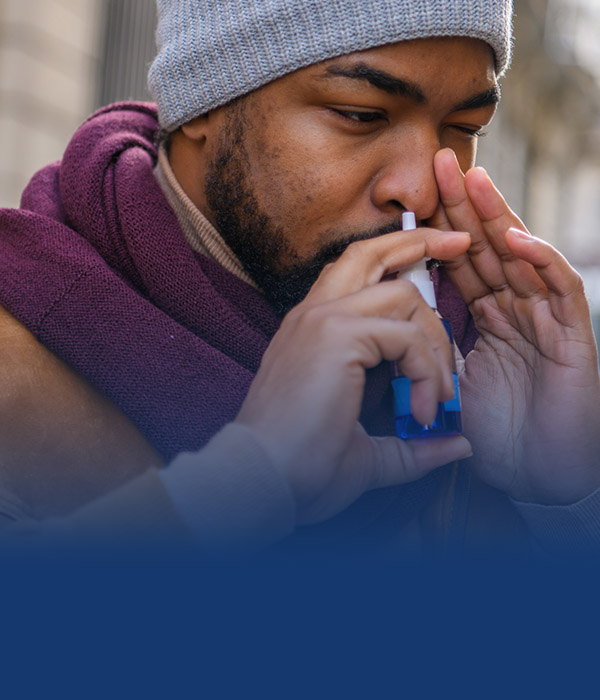
Nasal Spray
- Pump bottle where user puts tip into nose and sprays
- Give nicotine via nose
- Requires a prescription
Quit medications including combo therapy (patches, gum, or lozenges) are available for participants 18+ if eligible. Missouri Tobacco Quit Services works with private insurance and state programs to match each person with the appropriate quit medication.
Most health insurance plans cover some level of tobacco cessation treatments, including prescription medication that helps with cravings. MO HealthNet covers all seven FDA approved quit aids for eligible members. Check your health plan to see which cessation treatments are covered.
Under Missouri law, you can also get a prescription for NRTs through a Missouri pharmacists.
Click here to find a pharmacy providing tobacco cessation in your area.
Non-Nicotine Pills
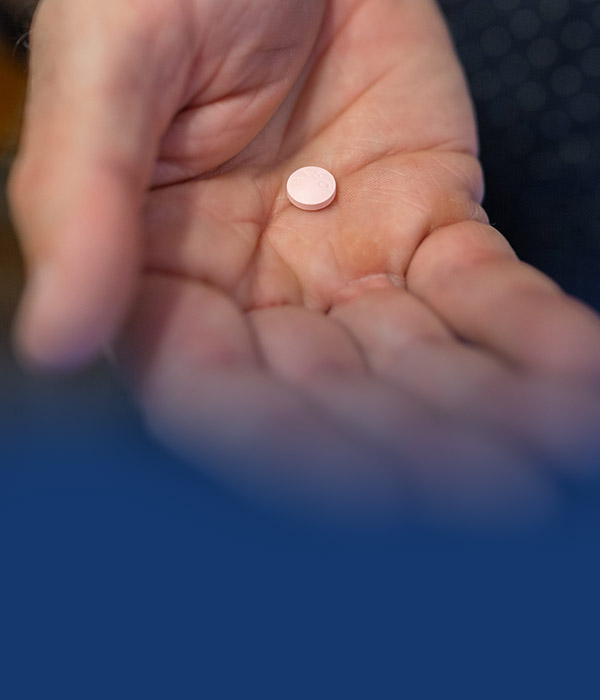
Bupropion SR
- Does not have nicotine
- Also sold as Wellbutrin SR® (an anti-depressant)
- Requires a prescription

Chantix® (varenicline)
- Does not have nicotine
- Cuts cravings by tricking the body to feel like it is getting nicotine
- Blocks pleasure of smoking
- Requires a prescription
Additional Prescription Assistance Programs
Becoming tobacco-free is hard without medications to help you. If you need help affording medication and are uninsured here are some programs that can help.
Missouri Rx Assistance Programs
(314) 919-2019 or https://staterxplans.us/missouri.html for more information. Missouri Drug Card is a free statewide prescription assistance program available to all Missouri residents.
Step 3: Get Support
Quitting can be easier with support. Some people like lots of support, while others prefer just a few people cheering them on. When you reach out for help, be specific about what you need. This will help you get the kind of support you're looking for.
Here are ways to get the support you need:

Talk to Family and Friends
- Let people know you’re quitting and you’d like their support
- Ask family and friends who smoke, vape or chew tobacco to not use around you… and not to give you a cigarette, vape or chewing tobacco, even if you ask.

Get Counseling and Support
- Use Missouri Tobacco Quit Services to talk to a Quit Coach for free, personalized, confidential support.
- Use free online resources through the web coaching program
- Or Sign up for free texting and email support

Ask for Help
- You don’t have to quit alone.
- Ask for help if you need it!
Checklist: The Day Before You Quit
- If you plan to use the nicotine patch, gum, or other quit aids, make sure you get them before you quit; buy them over-the-counter, or talk to your doctor, pharmacist, or insurance company.
- Stock up on things that will help you quit, like carrots, mints, straws and pumpkin seeds.
- Throw away your ashtrays, lighters, leftover cigarettes, etc.
- Ask a family member or friend for support.
- Remind yourself why you want to quit.
- Try out some of your strategies to see how they work.
- If you smoke 15 cigarettes or more per day, you may want to cut down before you quit.
- Clean your car, house, room, etc., to get rid of any tobacco smells.
- Review your plan the day before you quit.
Keep in mind: A good plan focuses on the first 7 days of quitting. If you can handle the first week of challenges - like withdrawals and urges to smoke - you'll be well on your way to quitting for good!