

REFER A PATIENT
Ages 18+

REFER A TEEN
Ages 13 to 17
YOUTH CESSATION WEB APP
The American Academy of Pediatrics (AAP) is excited to promote a new clinical decision resource: Youth Tobacco Cessation Progressive Web App (PWA). This PWA is intended to assist health personnel in supporting youth tobacco cessation by delivering the Ask-Counsel-Treat model in a tool designed for use within a clinical encounter. Designed for multi-system use, the PWA can be utilized on a computer, tablet or offline mobile app.
Ages 11+
Download Fax Referral PDF
Provide a brief clinical intervention.
It works in every setting and it may only take a few minutes. Ask every patient about tobacco use — every time. If they use tobacco, advise them to quit. Personalize your message. Explain how patients’ health conditions can be linked to smoking. If they express interest, refer them to the right resources to help them quit successfully, such as Missouri Tobacco Quit Services. Learn more about Ask, Advise, Refer. Brochures and posters are also available to order for free. These can be used as “conversation starters” when counseling patients.
If your patient uses tobacco, counsel them about it.
Smokers often feel ostracized. They’ve likely already tried quitting, on average seven to 10 times. Most smokers want to quit. And so many of them fail that you should consider relapse to be a completely normal part of the process. A smoker’s reasons for being unable to quit are often very personal. There are resources that can help you talk to patients in a way that is encouraging, helpful and productive. To learn more, click here to and get access to resources and education modules to help you care for people with tobacco dependence.
Refer patients ready to quit, or thinking about quitting.
It’s most impactful to give patients a warm handoff to Missouri Tobacco Quit Services, rather than giving them the number to call themselves. Referring patients also provides benefits, like the ability to receive reports from Missouri Tobacco Quit Services on patient progress. You can directly refer patients to Missouri Tobacco Quit Services using:
Learn more about FDA-approved medications to help people quit.
There are nicotine replacement therapies (NRT), pharmaceuticals and other quit therapies that can help smokers deal with cravings and nicotine withdrawal symptoms. Using these products can double to triple a smoker’s chances of successfully quitting.
Missouri Tobacco Quit Services offers free NRT to all eligible Missourians, such as the nicotine patch, gum, and lozenges.
Connect patients to quit-smoking benefits
Smokers covered under MO HealthNet get free quit-smoking benefits, including counseling and medication with no copay. Review details of treatment plans, CPT billing codes, medications and more.
Order Missouri specific Free Quit Service promotional materials.
Rack cards, post cards, business size cards, and posters are available for patient waiting rooms or to offer at discharge/end of the appointment.
Looking for free continuing education credits?
Sign up for free and complete the 15-minute interactive training modules at your own pace. Visit: https://quitlogixeducation.org/missouri/
Free Resources Available

Tobacco Cessation Guidelines
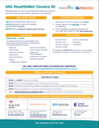
MO Healthnet Covers It
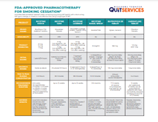
Pharmacotherapy Chart

Provider Education Flyer
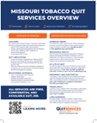
Overview of Services Flyer
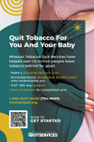
Pregnancy Referral Poster
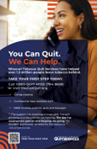
Referral Poster
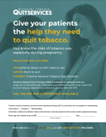
Pregnancy and NRT Flyer

Who should be screened for lung cancer?
Refer patients to Project Connect to learn more about lung cancer screening and where they can be screened.
RECOMMEND A LUNG SCREENING IF:
- They are between 50-80 years of age
- They currently smoke or have quit less than 15 years ago
- They smoke or have smoked, an average of one pack per day for at least 20 years