
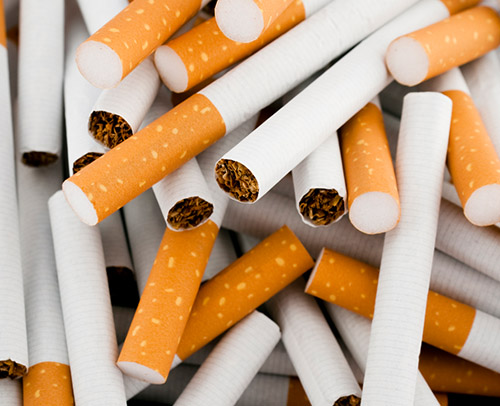
Cigarettes
When a cigarette is lit, smoke is inhaled deep into the lungs. This smoke contains thousands of harmful chemicals, 70 of which are linked to cancer. Some of these chemicals come from the plant itself, such as nicotine, a natural pesticide, or while the plant is cured, such as nitrosamines. When cigarettes are smoked, heavy metals, such as cadmium and lead, are also released into the body with the smoke.
Once inside your body, these chemicals cause cancer, heart disease, lung disease, stroke, reduce fertility, nicotine addiction, and many other types of damage, both immediate and long-term.
Secondhand smoke can be just as harmful to those that don't smoke.

Cigars
A cigar is a roll of tobacco wrapped in leaf tobacco, unlike cigarettes, which are wrapped in paper. There are three types of cigars sold in the United States: large cigars, cigarillos and little cigars. Cigars contain the same toxic and carcinogenic compounds found in cigarettes and are not a safe alternative to cigarettes.
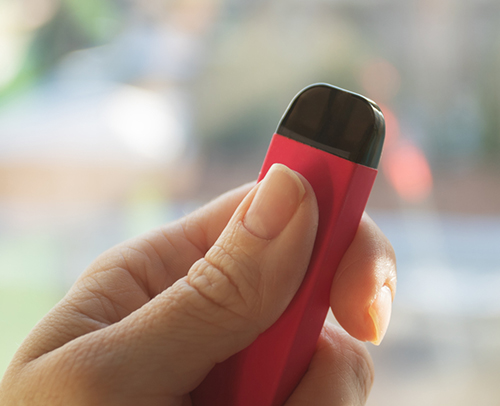
Disposable Vapes
Disposable e-cigarette devices are battery-operated. They work by heating a pod of e-liquid that contains nicotine, flavorings, and other chemicals. When heated, the liquid creates an aerosol or vapor that users inhale. Pod-based e-cigarette devices contain nicotine salts, which are designed to deliver more than twice the amount of nicotine compared to other e-cigarettes. There are compatible prefilled pod cartridges that can contain nicotine, THC, or CBD with or without flavoring.
E-cigarettes and vapes have not been approved by the Food and Drug Administration (FDA) as a cessation device.
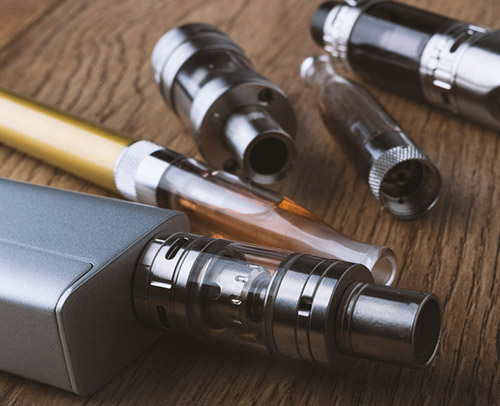
E-Cigarettes
With fun names, bright colors and sleek packaging, e-cigarettes are designed to look appealing. Don’t be fooled—they’re full of nicotine and can be highly addictive. Vapes and e-cigarettes devices heat a liquid that contains harmful chemicals into an aerosol, which is then inhaled. This liquid is sold in irresistible flavors, which helps a dangerous product appear deceivingly harmless. 99% of e-cigarettes contain nicotine, making them highly addictive.
E-cigarettes and vapes have not been approved by the Food and Drug Administration (FDA) as a cessation device.
Heated Tobacco Products
Heated tobacco products are sometimes marketed as “heat-not-burn” products, heated tobacco products come in many forms. Some heated tobacco products use electronic heating elements while some have a similar size and shape as regular cigarettes and have a carbon tip wrapped in glass fibers that the user heats with a lighter or match. Heated tobacco products are not the same as electronic cigarettes – they heat actual tobacco leaf. By contrast, e-cigarettes heat liquids that typically contain nicotine derived from tobacco, as well as flavorings and other ingredients.

Hookah
Hookahs are water pipes that are used to smoke specially made flavors. They are typically smoked in groups, passing the same mouthpiece from person to person. The smoke contains several toxic agents known to cause lung, bladder and oral cancers. It might seem fun, but it has most of the same risks of cigarettes. And because of the way a hookah is used, those that smoke it may absorb more of the toxic tobacco substances than those that smoke cigarettes, as well as producing secondhand smoke, which can be a serious health risk for nonsmokers.

Smokeless Tobacco
Smokeless tobacco includes chewing tobacco, snuff and snus. Chewing tobacco comes in the form of loose leaf, plug or twist, and is placed between the cheek and gums. Some of them are placed in the mouth and others are inhaled through the nose. Smokeless tobacco is not a safe substitute for smoking cigarettes. It contains nicotine and 28 cancer-causing agents. Youth who use smokeless tobacco are more likely to move on to cigarettes. Rural areas typically have higher smokeless tobacco use rates than urban areas.